Next Holiday Bucket List Destination: Tea Tourism in Dooars
The holiday season is coming close again, and you have probably started thinking about your next vacation plan. Many people want to go to a calm location where they can take a break from heavy traffic, crowded places, and busy schedules.
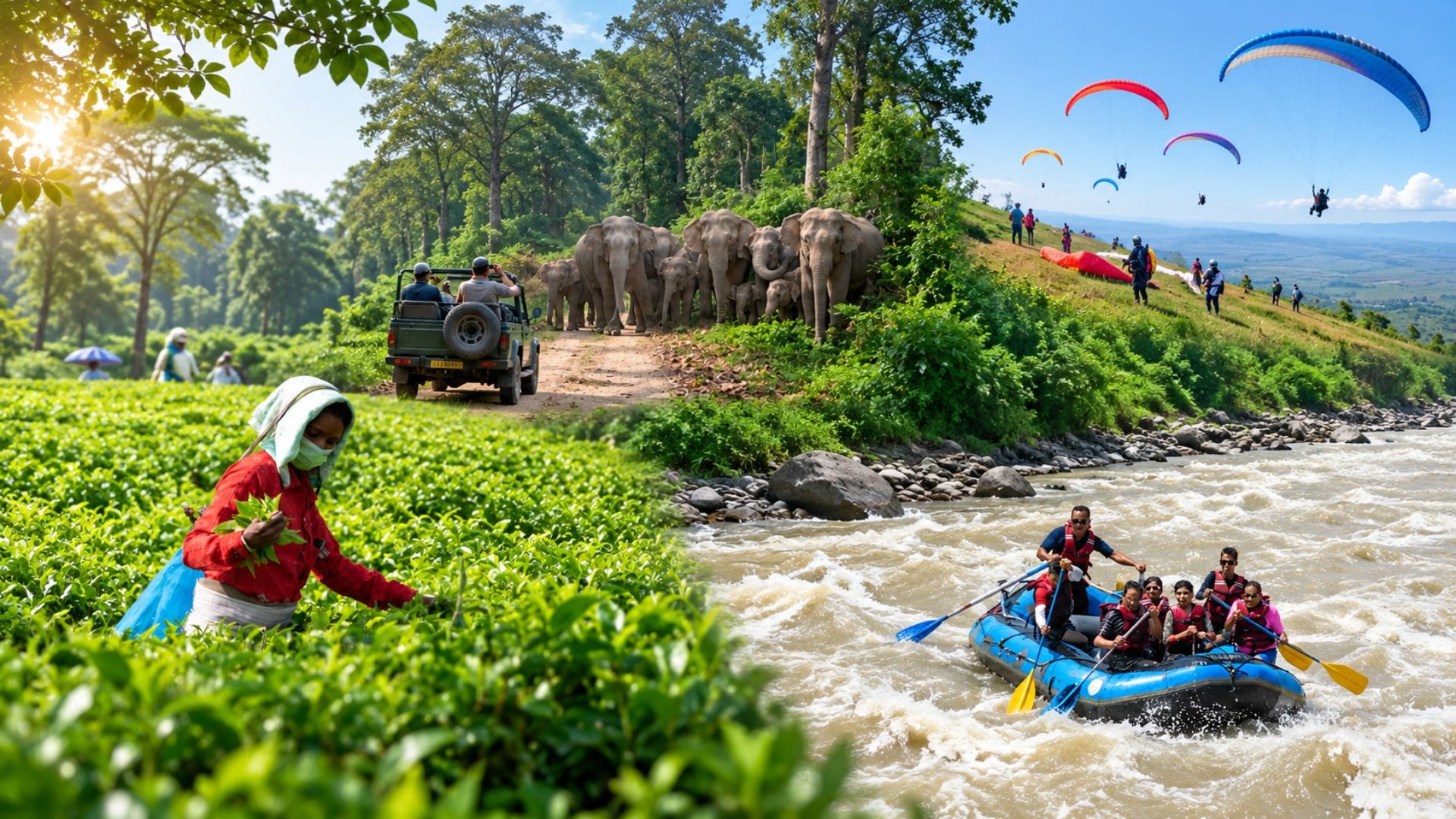
West Bengal has a beautiful area called the Dooars that gives you this exact experience. Large tea plantations, thick forests, flowing rivers, and many wild animals make your travel time just as enjoyable as reaching the main spot.
You can plan a family trip, a peaceful visit with your partner, or a simple break from daily work routine in this region. This article explains why the Dooars is a wonderful location for a holiday and how staying inside large tea estates can make your time there even more special.
Planning a Trip to Dooars - What Makes Dooars Worth Visiting?
You should understand what makes the Dooars special before you plan your travel. This area sits right below the mountains in the northern part of West Bengal and acts as the entry point to Bhutan. The name Dooars actually comes from the word for doors because old routes through the mountains used to connect India to Bhutan.
Nature lovers will find many beautiful sights spread across the land, including:
- Large areas filled with green tea plants
- Thick forests with many types of wild animals
- Clear rivers that flow through the countryside
- Hundreds of different animals and flying creatures
- Protected forest lands made for wild animals
You can include several famous locations in your travel list, such as Gorumara National Park, Jaldapara National Park, Chapramari Wildlife Sanctuary, Murti River, Samsing, Suntalekhola, Rocky Island, Bindu, and Jhalong. Every single location gives you something special to enjoy, whether you want to see animals, take photos, go for long walks, or simply admire the scenery.
Local people do not run this region only for travel and tourism. Tea farming is still a major business that supports local communities and contributes significantly to the economy. Many plantations continue to grow tea leaves and process them while also welcoming visitors to experience the landscape.
This authentic way of life is what makes the Dooars so appealing. Rather than visiting a destination created solely for tourists, you get to experience a region where tea cultivation has been part of everyday life for generations.
Why Tea Tourism in Dooars Appeals to Me
Many people think that Tea Tourism in Dooars only means drinking fresh tea or visiting a tea processing centre.
In reality, it offers much more than that.
Tea tourism allows you to explore the landscapes where one of India's most loved beverages is cultivated. Depending on the estate you visit and the season of your trip, you may be able to:
- Walk through active tea gardens.
- Learn how tea plants are grown and maintained.
- Watch tea leaves being plucked during harvest seasons.
- Understand how freshly picked leaves are processed into tea.
- Experience the peaceful rhythm of life inside a working plantation.
Every tea estate offers a slightly different experience, and seasonal activities vary throughout the year. Checking with your accommodation before travelling is always a good idea.
Why I'd Choose a Tea Estate Stay
If I were planning a holiday in the Dooars, I would personally choose a Tea Estate Stay.
Hotels certainly offer comfort and convenience, but staying inside a working tea plantation creates a completely different experience. The surroundings become part of your holiday rather than simply the place where you spend the night.
You can wake up to endless rows of tea bushes, listen to birds instead of traffic, watch the morning mist slowly disappear over the plantations, and enjoy a fresh cup of tea while taking in uninterrupted views of the gardens.
For me, those simple moments are what make a holiday memorable.
Places I'd Include in a Trip to Dooars
If I had three or four days available, this is roughly how I'd plan my visit.
Day 1: Slow Down
Instead of rushing straight into sightseeing, I'd spend the first day settling into the surroundings.
A leisurely walk around the tea gardens, breathing in the fresh air, and simply enjoying the slower pace of life would be the perfect way to begin the trip.
Day 2: Explore Wildlife
The second day would be dedicated to exploring the region's wildlife.
Gorumara National Park and Jaldapara National Park are among the most popular protected areas in the Dooars. They are known for Indian one-horned rhinoceroses, elephants, gaur (Indian bison), deer, and a remarkable variety of birdlife.
Since safaris are managed by the Forest Department, it's always worth checking the latest schedules and entry timings before your visit.
Day 3: Rivers and Hills
I'd spend another day exploring scenic destinations like Murti, Samsing, Suntalekhola, Rocky Island, Bindu, and Jhalong.
Each destination offers a unique perspective of the region, from forest roads and riverside landscapes to viewpoints close to the Bhutan border.
When Is the Best Time to Visit?
One of the best things about the Dooars is that every season offers a different experience.
After the monsoon, the tea gardens become incredibly lush and green, making the landscape especially beautiful for photography.
Winter brings pleasant weather that many travellers prefer for sightseeing and wildlife safaris.
The monsoon transforms the region into a vibrant green paradise, although heavy rainfall can occasionally affect travel plans and outdoor activities.
If you're planning your holiday during Independence Day, Janmashtami, Durga Puja, Diwali, Christmas, New Year, or any long weekend, booking your accommodation well in advance is highly recommended.
A Few Things I'd Keep in Mind Before Travelling
If I were planning my own trip, I'd keep a few practical things in mind:
- Book accommodation early during holiday seasons.
- Carry comfortable walking shoes.
- Pack light clothing and a light jacket for cooler evenings.
- Keep insect repellent handy.
- Follow all Forest Department guidelines during safaris.
- Remember that tea estates are active workplaces, so certain areas may have restricted access.
These small preparations can help make the journey smoother and more enjoyable.
Choosing Where to Stay
I think the location of your accommodation can completely shape your holiday experience.
If your main goal is sightseeing, almost any comfortable hotel will do. However, if you'd like to experience plantation life, I'd personally choose accommodation located inside or beside an active tea estate.
Heritage tea bungalows provide a completely different atmosphere from conventional hotels. Instead of spending hours travelling between attractions, you get to enjoy the tea gardens from the moment you wake up until the end of the day.
I'd also recommend comparing different properties, reading recent guest reviews, and checking exactly what experiences each stay includes before making your booking.
A Resource I'd Suggest Exploring
If you're specifically looking for heritage tea estate accommodation instead of general hotel listings, it can be helpful to explore websites that specialise in tea tourism.
You can visit TeaResorts.in to explore heritage tea bungalows and plantation stays in the Dooars. The website offers information about accommodation, the surrounding tea estates, and experiences designed around the region's tea-growing heritage.
I'd still recommend comparing different options before making your final decision, but having a dedicated resource certainly makes planning easier.
Final Thoughts
By now, you can probably understand why I'd recommend adding the Dooars to your travel bucket list.
For me, the real charm of this region isn't a single famous viewpoint or one popular attraction. It's the complete experience. Waking up to endless tea gardens, exploring forests and rivers, spotting wildlife, breathing fresh air, and slowing down from the pace of everyday life all come together to create a holiday that feels refreshingly different.
If you're planning a holiday in the coming months, I'd suggest spending at least three or four days here instead of treating it as a quick stop. That's when you truly begin to appreciate everything the region has to offer.
And if you'd like to experience plantation life firsthand, consider staying at Octavius Tea Resorts. Whether you choose one of our heritage tea bungalows or another tea estate stay, you'll gain a deeper appreciation for Tea Tourism in Dooars and discover what makes Dooars Tourism so memorable.