Tea Garden in West Bengal: Where Tea Tourism Takes You
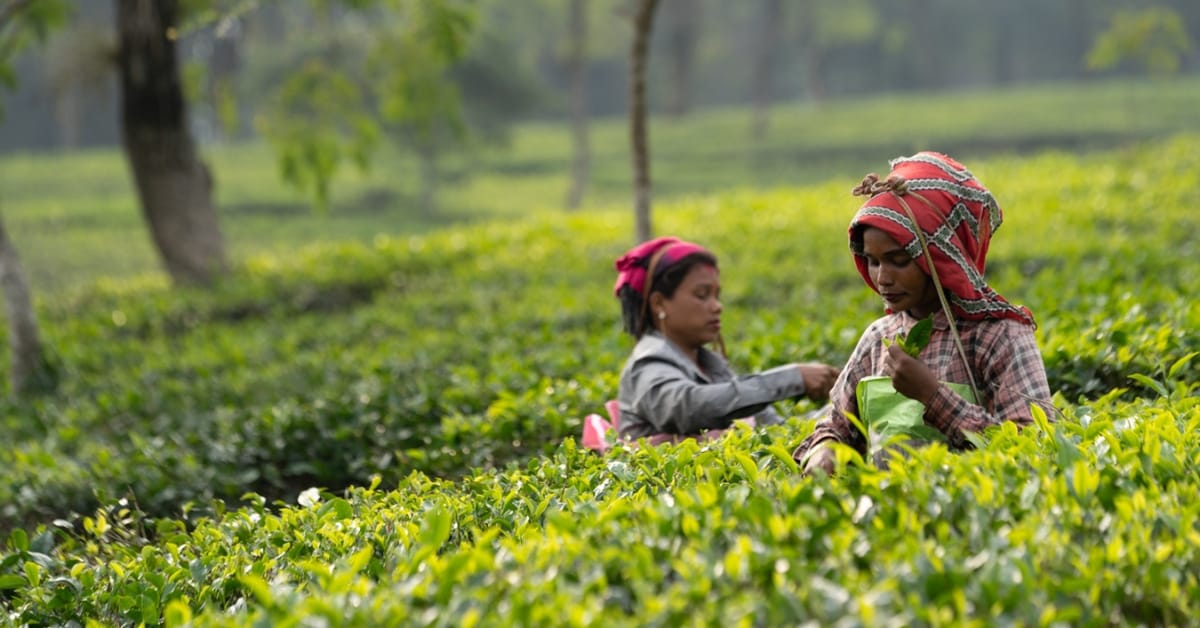
Tea is so closely connected with West Bengal that for many travellers, seeing a tea garden is almost as important as drinking the tea itself.
Most people immediately think of Darjeeling. That is understandable, but the tea garden in West Bengal is not limited to the Darjeeling hills. Tea cultivation extends across three major belts: Darjeeling, Dooars and Terai, and the scenery changes considerably as you travel from one region to another.
Darjeeling has the famous hillside plantations including Happy Valley, Makaibari, Glenburn, Margaret's Hope and many other historic tea estates. Below the hills, the Terai has extensive plantations across the foothill plains. Travel east towards Jalpaiguri and the Dooars and you enter another major tea-growing belt covering areas such as Damdim, Malbazar, Nagrakata, Chalsa and Banarhat.
The Dooars is also where you will find Sylee Tea Estate at Damdim and Nya Sylee Tea Estate at Nagrakata.
Together, these regions show that tea tourism in West Bengal is much more varied than it first appears.
1. Darjeeling Tea Gardens: The Most Famous
When tea gardens in West Bengal are ranked by international recognition, Darjeeling takes the first position.
Tea cultivation began here during the nineteenth century, and the combination of altitude, cool weather and Himalayan terrain created a tea-growing region unlike the plains below.
Today, the recognised Darjeeling tea-growing region contains 87 tea gardens.
The scenery is also a major reason tourists come here. Tea bushes climb along steep slopes, mountain roads pass beside plantations, and mist frequently moves across the hills.
Several estates have become particularly familiar to travellers.
Happy Valley Tea Estate
Happy Valley is one of the most accessible tea gardens for visitors staying in Darjeeling town.
Its convenient location means tourists can include a tea garden experience alongside regular Darjeeling sightseeing. This has helped make Happy Valley one of the better-known tea estates among general tourists.
Makaibari Tea Estate
Makaibari near Kurseong has a long history and a strong identity within the Darjeeling tea industry.
The estate attracts people interested not only in scenery but also in understanding tea cultivation and the heritage associated with Darjeeling tea.
Glenburn Tea Estate
Glenburn represents another side of tea tourism, where visitors can experience the plantation landscape as part of a longer stay.
Its tea-covered slopes and Himalayan surroundings provide the kind of scenery for which the Darjeeling tea region is internationally recognised.
Margaret's Hope Tea Estate
Margaret's Hope is another established name associated with Darjeeling tea.
Its hillside location represents the classic image many travellers have in mind when they imagine a tea plantation in West Bengal.
Other recognised Darjeeling gardens include Castleton, Goomtee, Jungpana and many more. You certainly do not need to visit all 87 to understand why Darjeeling tea has become famous around the world.
2. Dooars Tea Gardens: A Different Side of West Bengal Tea
Travel down from the Darjeeling hills and continue towards Jalpaiguri, and the tea landscape begins to change. The steep mountain plantations give way to much broader stretches of green. This is the Dooars tea-growing region, located along the foothills of the Eastern Himalayas.
Tea cultivation is an important part of the local landscape around places such as Damdim, Malbazar, Chalsa, Nagrakata and Banarhat.
The surroundings are what make this region particularly interesting for travellers.
Tea estates exist alongside forests, rivers and protected wildlife areas. Gorumara National Park, Chapramari Wildlife Sanctuary and Jaldapara National Park are all located within the wider Dooars region.
Two estates also provide an opportunity to experience this landscape as more than a roadside view.
Sylee Tea Estate, Damdim
Sylee Tea Estate is located at Damdim in Jalpaiguri district, West Bengal.
The estate represents the open, green plantation landscape characteristic of this part of the Dooars. Forests, rivers and several sightseeing areas are accessible from the surrounding region, making Damdim useful for travellers who want to combine tea tourism with a wider Dooars holiday.
The estate is also home to Sylee Bungalow, where travellers can stay within the tea-estate environment rather than visiting only for a short sightseeing stop.
Nya Sylee Tea Estate, Nagrakata
Nya Sylee Tea Estate is located at Nagrakata in Jalpaiguri district.
Nagrakata is an important tea-growing area, and travelling through the locality gives you a good idea of the scale of tea cultivation in the Dooars.
Nya Sylee Bungalow provides accommodation within this setting. Guests staying at the tea resort can experience activities such as a complimentary tea garden tour, tea tasting and tea factory visit, subject to estate and factory operations and applicable conditions.
For someone curious about how tea moves from plantation to cup, this adds another dimension to the holiday.
3. Terai Tea Gardens: The Less-Explored Tea Belt
The Terai completes the three major tea-growing regions of West Bengal.
This belt lies across the lower Himalayan foothills and plains around Siliguri and adjoining areas. The terrain is much flatter than Darjeeling, and the climate and growing conditions are also different.
Terai plays an important role in tea production but has a much lower profile as a standalone tourist destination.
In fact, many people travelling from Bagdogra or Siliguri towards Darjeeling and the Dooars pass through tea-growing areas without realising that they are seeing another distinct tea region.
For travellers specifically interested in understanding the geography of tea cultivation in West Bengal, Terai therefore completes the picture.
Which Tea Gardens in West Bengal Attract the Most Tourists?
There is no reliable public database that ranks every tea estate in West Bengal according to annual tourist numbers.
At the regional level, however, Darjeeling attracts the greatest tourism attention.
This is partly because tea tourism benefits from the enormous popularity of Darjeeling itself. Visitors are already coming for the Himalayan scenery, Darjeeling Himalayan Railway, viewpoints, colonial heritage and other attractions. Visiting a tea garden becomes an easy addition to the holiday.
Happy Valley has a particular advantage because of its proximity to Darjeeling town.
So, if we rank West Bengal's tea-growing regions according to general tourism recognition, the order would broadly be:
- Darjeeling
- Dooars
- Terai
This is a tourism-oriented ranking rather than a ranking of tea quality or production.
Why We Recommend Dooars for Your Next Tea Garden Visit in West Bengal
Being the most famous does not automatically make a destination the right choice every time.
If you have never seen a Himalayan tea plantation, Darjeeling deserves its reputation. The steep tea-covered hills are distinctive, and the history associated with Darjeeling tea is difficult to find anywhere else.
But for your next tea garden experience in West Bengal, we would recommend looking towards the Dooars.
Here, the tea garden can become the base for a much broader holiday.
A morning can begin around the plantation. The day can then take you towards a forest safari, a river or the Himalayan foothills. Places such as Gorumara, Chapramari, Murti, Samsing, Suntalekhola, Jhalong and Bindu provide enough variety to build several days of sightseeing around the tea-growing region.
You also have the option of staying within the tea-estate environment at Sylee Tea Estate in Damdim or Nya Sylee Tea Estate in Nagrakata.
That changes the experience considerably.
Instead of arriving at a tea garden, taking photographs and moving to the next tourist attraction, you have time to see the plantation at different hours of the day and understand a little more about the tea produced around you.
Three Regions, Three Different Tea Experiences
There is no single landscape that represents every tea garden in West Bengal.
Darjeeling gives you the state's most famous tea gardens, spread across the slopes of the Himalayas.
Terai shows you how tea cultivation continues through the lower foothills and plains.
Dooars takes the experience in another direction, with tea estates sharing the region with forests, rivers, wildlife and the Eastern Himalayan foothills.
You do not necessarily have to decide which one is "best".
Start with Darjeeling if you want to experience the most famous name in West Bengal tea. Explore Terai if you are interested in understanding the wider geography of the state's tea industry.
And when you want to turn a tea garden visit into a longer nature holiday, continue towards the Dooars.
Sylee Tea Estate at Damdim and Nya Sylee Tea Estate at Nagrakata give you a place to start.